|
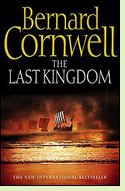
The Last Kingdomby Bernard CornwellReviewed by Annis
More than 1,000 years ago in a land called Bernicia, there was a great fortress called Bebbanburg. It stood by the sea, assailed by storms and enemies. It still stands, though Bernicia is now called Northumberland and Bebbanburg is Bamburgh Castle. The loss of his ancestral home haunts Uhtred, dispossessed Saxon Lord of Bebbanburg, and the desire for restitution burns in his soul, lighting the warrior’s way down which destiny draws him. As a child he is captured and adopted by Danish raiders drifting on the fringes of a vast Viking army besieging ninth century England and swallowing up its kingdoms one by one. Uhtred is raised as a Viking, becoming a formidable fighter. Fate, however, leads him to link his fortunes inextricably with those of the House of Wessex, the only English kingdom which remains unconquered. Impelled to support the West Saxons in the hope of regaining his inheritance, at heart he feels much more empathy with the Vikings. This conflict tears at him, and the focus of resentment for his confused feelings is King Alfred of Wessex. The thorny relationship between Uhtred and the king, marked by mutual antipathy, is central to The Last Kingdom, and reflects the clash of cultures and religious beliefs which dominate this period in history. King Alfred sees Uhtred as an arrogant maverick and finds the paganism he flaunts offensive, but nevertheless values his impressive abilities as a warleader. Uhtred, on the other hand, grudgingly respects the king’s acute intelligence and skills as a military strategist, but feels contempt for his scholarly Christian piety. Will Uhtred ever reclaim Bebbanburg? That remains in the hands of the Fates. “Wyrd bith ful araed,” as Uhtred himself would say: “Fate will have its way.” (2004, 592 pages) More info about The Last Kingdom from Powell's Books The Last Kingdom appears on the list of The 45 Best Historical Novels Set in the Viking Age The Last Light of the Sun by Guy Gavriel Kay; historical fantasy set in a slightly alternate world (King Alfred is Aeldred and the Vikings are Erlings), this is an adventure which is is quite recognizably about a young Viking who becomes part of King Alfred’s company. More info Paths of Exile by Carla Nayland; about Saxon kings in the aftermath of the seventh century wars between Bernicia and Deira, 200 years before Alfred. See review or more info at Powell's Books Shieldwall by Justin Hill (2011), about a young man who survives the Viking raids of 1016 to fight in King Ethelred's army. See review or more info at Amazon.com Alfred the Great: The Man who made England by Justin Pollard. More info Alfred the Great: War, Culture and Kingship in Anglo-Saxon England by Richard Abels. More info
Wikipedia article about King Alfred A useful explanation of the pagan Anglo-Saxon and Viking concept of "wyrd" from Arlea Ælwyrd Hunt-Anschütz: What is Wyrd?
Back to Novels of Medieval Europe
|
 Inspired to write "The Last Kingdom" by a brooding, ancient keep once home to his forbears, Bernard Cornwell says: