|
Historical Novels of AsiaFor news on the latest additions to this site, see the blog. Jump to: China Medieval Japan was ruled by emperors. The samurai, an aristocratic warrior class which developed during the twelfth century, and their more sinister counterparts, the ninja, have long fascinated readers and novelists. Jesuit missionaries from Portugal reached Japan in the sixteenth century, but their efforts to spread Catholicism led to violence, after which Japan closed its ports to foreign ships until the nineteenth century. The shipwreck of an English sailor on the Japanese coast in 1600 has been the subject of several novels, including James Clavell's bestselling Shogun. Historical novels set in Korea, Mongolia, Tibet and Nepal are grouped together in one section below. For novels about Marco Polo's travels, see the European Continent section of the Medieval Europe page.
ChinaPurchase from the Book Depository, Amazon or Powell's Books
Dean Barrett, Hangman's Point
Kunal Basu, The Yellow Emperor’s Cure (2011), about a Lisbon man who goes to China to find a cure for his father's syphilis, and falls in love with the assistant of the doctor he hopes to study with. Li Bo, Tienkuo: The Heavenly Kingdom Malcolm Bosse, The Warlord, about an American missionary who joins a gang of Chinese bandits during the revolutionary period in the 1920s.
Pearl S. Buck, Sons, about the sons of a village farmer in revolutionary China; set during Buck's lifetime and technically not historical fiction; #2 in the House of Earth trilogy. Pearl S. Buck, A House Divided, about the descendants of a village farmer in revolutionary China; technically not historical fiction; #3 in the House of Earth trilogy. Pearl S. Buck, East Wind, West Wind (1930), about a family facing cultural change in early twentieth century China; technically not historical fiction; Buck's debut novel. Pearl S. Buck, The Mother (1933), about a poor Chinese village woman during the transition from imperial times to communism; technically not historical fiction. Pearl S. Buck, Dragon Seed (1942), about Chinese peasants during World War II; technically not historical fiction, as Buck was writing about the very recent past. Pearl S. Buck, The Promise (1943), about Chinese and American soldiers during World War II; technically not historical fiction, as Buck was writing about the very recent past. Pearl S. Buck, Peony (1948), about a bondmaid in a nineteenth century Chinese household who falls in love with the family's son. Pearl S. Buck, Imperial Woman (1956), about Tzu Hsi, China's last empress, who ruled during the nineteenth century. Pearl S. Buck, The Three Daughters of Madame Liang (1969), about woman in the early days of Communist China who survives on her own after her husband takes a concubine; technically not historical fiction, as Buck was writing about a period she lived through. Pearl S. Buck, Kinfolk, about a Chinese family during the early twentieth century; technically not historical fiction. Pearl S. Buck, Pavilion of Women (1946), about a woman in early twentieth century China who decides to retire from married life and present her husband with a concubine; technically not historical fiction.
Bartle Bull, China Star, a thriller with an international cast of characters; sequel to Shanghai Station. Bo Caldwell, The Distant Land of My Father (2001), about the daughter of a Chinese-born man, the son of missionaries, who remains in his beloved Shanghai during the pre-WWII Japanese invasion, after sending his wife and daughter to safety in the U.S. Janie Chang, Three Souls (2014), about a Chinese woman who, after dying, finds that in order to enter the afterlife, she must review her life on earth during the 1920s. Da Chen, My Last Empress (2012), about a man who becomes tutor to China's teenaged emperor in the nineteenth century and falls in love with the emperor's fourth wife, who resembles his lost first love. Pauline A. Chen, The Red Chamber (2012), about three women in a wealthy Chinese household suddenly plunged into poverty when the emperor is overthrown; a reimagining of the Chinese classic Dream of the Red Chamber. Mark Cheng, Father Paul's War (2013), about an engineering student who leaves his family and girlfriend in 1935 to become a Cistercian monk and, after his monastery is destroyed by Communists in the civil war following World War II, sets out for Hong Kong and meets his former girlfriend on the journey; self-published. Eleanor Cooney, The Court of the Lion Alexandra Curry, The Courtesan (2016), about the Qing dynasty courtesan Sai Jinhua, orphaned at age seven and sent to a brothel after her father was executed in 1881. Evelyn Eaton, Go Ask the River Robert Elegant, Manchu; about an Englishman in seventeenth century China at the end of the Ming Dynasty. Robert Elegant, Mandarin, set in nineteenth century China. Robert Elegant, From a Far Land Simon Elegant, A Floating Life: The Adventures of Li Po Jennifer Cody Epstein, The Painter from Shanghai (2008), a novel based on the life of Pan Yuliang, a child prostitute who became a celebrated and controversial painter in early twentieth century China. Pai Kit Fai, Red Lotus (2009), set in China in the 1920s, about the daughter of a Chinese mother and a foreign ship captain and her quest to find the father she never knew. Kate Furnivall, The Russian Concubine, about a young Russian woman in 1928 China. Anthony Grey, Peking, set in China during the Revolution. Luo Guanzhong, The Romance of the Three Kingdoms (originally written during the Ming Dynasty in the 14th century), about three warring kingdoms at the end of the Han Dynasty in the third century B.C. Kathryn Harrison, The Binding Chair: or, A Visit from the Foot Emancipation Society, about a Chinese woman's experiences of foot-binding in late nineteenth century China. Review Justin Hill, Passing Under Heaven Paul House, Harbour Barry Hughart, Bridge of Birds: A Novel of an Ancient China That Never Was, historical fantasy based on ancient Chinese myths, folk-tales, poems and history; #1 in the Chronicles of Master Li and Number Ten Ox trilogy. Barry Hughart, The Story of the Stone Barry Hughart, Eight Skilled Gentlemen, historical fantasy based on ancient Chinese myths, folk-tales, poems and history; #3 in the Chronicles of Master Li and Number Ten Ox trilogy. Barry Hughart, The Chronicles of Master Li and Number Ten Ox, an omnibus edition of Hughart's historical fantasy trilogy. Conn Iggulden, Conqueror (2012), an adventure novel about Kublai Khan. Yasushi Inoue, Tun-huang Duncan Jepson, All the Flowers in Shanghai (2012), about a woman forced into marriage who plots revenge during the 1930s as China moves toward revolution. Ha Jin, Nanjing Requiem (2011), about Minnie Vautrin, the American dean of Jinling Women's College in Nanjing during the 1937 Japanese invasion and occupation of the city. Review Guy Gavriel Kay, Under Heaven (2010), historical fantasy about a young man in a land resembling eighth-century China who is given a dangerously lavish gift of 250 valuable horses which he must claim in person. Guy Gavriel Kay, River of Stars (2013), a fantasy novel about an outlaw and a scholar's daughter in an imaginary world inspired by China's Song Dynasty. Jennifer King, Twisted Edges Andrew Lam, Two Sons of China Jeanne Larsen, Bronze Mirror, about a maidservant to a group of Chinese gods and goddesses; based on Chinese legends. Jeanne Larsen, Silk Road (1989), historical fantasy set in eighth century China. Jeanne Larsen, Manchu Palaces Julian Lees, The Fan Tan Players (2010), about a Russian-born woman in Macao, the mysterious Scot who enters her life in 1928, and their journeys during the next three decades. Jean Levi, The Chinese Emperor; a fantasy novel about the terracotta soldiers buried with the third century B.C. Chinese Emperor Qin Shi Huang Jean Levi, The Dream of Confucius; set in China during the third century B.C. Jean Levi, The Chinese Emperor (1987), about the Chinese emperor who built the Great Wall in the third century B.C., a time when human life was cheap and torturous methods of execution common. Bette Bao Lord, Spring Moon, about five generations of a Chinese family during the period of war and cultural change from the late nineteenth century into the twentieth. Ruthann Lum McCunn, God of Luck, about a young Chinese man forced into slavery in nineteenth century Peru. Sam Meekings, Under Fishbone Clouds (2009), about a young couple in China who live through the Japanese occupation and the Cultural Revolution.
Anchee Min, Wild Ginger (2002), about growing up during the Cultural Revolution. Anchee Min, Empress Orchid (2004), about an emperor’s concubine in nineteenth century China. Anchee Min, The Last Empress (2007), about China's last empress; sequel to Empress Orchid. Anchee Min, Pearl of China (2010), about a fictional Chinese woman and her friendship with novelist Pearl S. Buck, beginning when they meet as children at the end of the nineteenth century.
Tim Murgatroyd, Taming Poison Dragons (2012), about an elderly man in twelfth-century China who draws upon memories of his youth as a poet to sustain him in facing challenges ranging from civil war to a wayward son. Robert B. Oxnam, Ming Roy Peachey, Between Darkness and Light (2019), about a one-eyed Chinese interpreter with the Chinese Labour Corps during WWI who travels to France, where he finds reality more complex than his idealized image of the West. Douglas Penick, Journey of the North Star Weina Dai Randel, The Moon in the Palace (2016), about a concubine of a seventh-century Chinese emperor who attracts his notice with her intelligence; #1 in the Empress of Bright Moon Duology. Weina Dai Randel, The Empress of Bright Moon (2016), about a seventh-century Chinese concubine, and the power struggle between her and the chief wife of the new emperor; #2 in the Empress of Bright Moon Duology. Nina Romano, The Secret Language of Women (2015), about a Eurasian healer who falls in love with an Italian sailor, but is separated from him during the Boxer Rebellion. Shawna Yang Ryan, Green Island (2016), about the youngest daughter of a doctor who is separated from him when he is thrown into prison during the uprising in Taiwan against the Chinese government in 1947. Shan Sa, Empress, about the first empress of China, in the seventh century T'ang Dynasty. Shan Sa, The Girl Who Played Go, a literary novel about a Japanese soldier and a young Manchurian woman in 1930s China. Alan Savage, The Eight Banners Alan Savage, The Last Bannerman John Schettler, Taklamakan: The Land of No Return, about an eighth century Chinese tea and spice trader who leads a caravan across the western rim of the Taklamakan Desert; self-published. Lisa See, Shanghai Girls (2009), about two sisters in 1937 Shanghai sent to California as mail-order brides after their father gambles away his money. Lisa See, Snow Flower and the Secret Fan, about two women friends who communicate using a secret women's form of writing. Lisa See, Peony in Love, about a sheltered young woman from a wealthy home in seventeenth century China who glimpses a man from behind a screen and falls in love. Linda Ching Sledge, Empire of Heaven Linda Ching Sledge, A Map of Paradise (1997), about a Chinese couple who go to live in Hawaii in the late nineteenth century where their daughter is born and grows up, and later move to California. Jonathan D. Spence, The Death of Woman Wang, about a runaway wife murdered by her husband in seventeenth century rural China. Jonathan D. Spence, The Question of Hu John Spurling, The Ten Thousand Things (2015), about a landscape painter in fourteenth-century China; winner of the 2015 Walter Scott Prize. Dana Stabenow, Everything Under the Heavens Tong Su, Raise the Red Lantern: Three Novellas, set in China before and after the Revolution. Amy Tan, The Hundred Secret Senses, about a girl who learns about her much older sister's life in nineteenth century China. Amy Tan, The Valley of Amazement (2013), about a half-American girl in Shanghai, the pampered daughter of the American madam of an exclusive house of courtesans, who is forced to become a courtesan herself when the Ching dynasty falls, and about her American mother, who made a disastrous transition from San Francisco to China after becoming infatuated with a Chinese man in 1897. Chiew-Siah Tei, The Mouse Deer Kingdom Sandi Tan, The Black Isle (2012), supernatural horror about a girl who can communicate with spirits and who, in the years between the World Wars, is sent from Shanghai to a British colony in Indonesia which is haunted by numerous spirits of the dead. Chiew-Siah Tei, Little Hut of Leaping Fishes (2008), about a young man born into a privileged family in nineteenth century Imperial China who begins to question the corruption and brutality he sees around him. Gail Tsukiyama, The Samurai's Garden, about a Chinese painter's friendship with a Japanese gardener during the Japanese invasion of China in the late 1930s. Gail Tsukiyama, Women of the Silk, about village women who work in a silk factory in 1926 China. Gail Tsukiyama, The Language of Threads (2008), about a Chinese woman who travels to Hong Kong in the 1930s; sequel to Women of the Silk. Gail Tsukiyama, A Hundred Flowers (2012), about the conflicts within a family after a young father is sent to a labor camp for criticizing the Communist Party in 1957. Tzu Yang Tao Jen, Flower Shadows Behind the Curtain (English translation published in 1959), a bawdy novel about a group of scoundrels and the virtuous wife of a deceased lecher; set in twelfth century China and written in the seventeenth century Keith West, Winter Cherry: A novel of the T'ang dynasty Adam Williams, Palace of Heavenly Pleasures, about an American nurse and a young Chinese woman during the Boxer Rebellion in 1920s China. Adam Williams, The Emperor's Bones (2005), about a Western woman searching China for her missing father, and a Chinese woman determined to help bring about a Communist revolution; sequel to The Palace of Heavenly Pleasure. Cecily Wong, Diamond Head (2015), about three generations of a wealthy shipping family, from the Boxer Rebellion in China through the 1960s in Hawaii. Cao Xueqin (also spelled Tsao Hsueh Chin), Dream of the Red Chamber (also titled A Dream of Red Mansions and The Story of the Stone), a tragic love story amid the decline of an aristocratic family; contemporary when it was written in the eighteenth century (and therefore technically not historical fiction), it has been considered one of the greatest of all Chinese novels. Geling Yan, The Flowers of War (2012), about an American priest who shelters a group of schoolgirls, prostitutes and wounded soldiers in his church during the 1937 Japanese invasion of Nanking. Mo Yan, Big Breasts and Wide Hips, about a woman born in 1900 who lives through the dramatic changes of revolutionary China. Hong Ying, The Concubine of Shanghai (2008), about a girl sold to a brothel in 1907 who rises to become the mistress of a powerful figure in Shanghai's crime world.
Mingmei Yip, Skeleton Women (2012), about a singer/spy, a magician, and a gossip columnist and their efforts to survive lawless Shanghai in the 1930s. Mingmei Yip, The Nine Fold Heaven (2013), about a nightclub singer and former spy who returns to Shanghai in the 1930s to search for her loved ones; sequel to Skeleton Woman. Mingmei Yip, Secret of a Thousand Beauties (2014), about a young Chinese women who flees marriage in the early 20th century and becomes an embroiderer in the city of Soochow.
Chi Zijian, The Last Quarter of the Moon (2013), about a woman of northeastern China's nomadic Evenki tribe who, as an old woman, recalls the disruption in their tribal life when the Japanese invade in the 1930s.
China: MysteriesPurchase from the Book Depository, Amazon or Powell's Books
Elsa Hart, The White Mirror (2016), about a librarian traveling with a merchant caravan who, while trapped by a snowstorm, investigates the mystery of a dead monk; #2 in the Li Du mystery series. Elsa Hart, City of Ink (2018), about a librarian who reluctantly returns home to Beijing to understand the truth behind his mentor's execution, but is interrupted by the need to investigate the murder of a factory owner's wife; #3 in the Li Du mystery series.
Robert van Gulik, The Chinese Gold Murders (first English edition, 1959), about a T'ang Dynasty Chinese magistrate who investigates the murder of his predecessor while a tiger stalks the district; #1 (chronologically) in the Judge Dee mystery series. Robert van Gulik, The Lacquer Screen (first English edition, 1964), about a T'ang Dynasty Chinese magistrate who investigates why a lacquer screen was altered to show a man stabbing his lover; #2 (chronologically) in the Judge Dee mystery series. Robert van Gulik, The Chinese Lake Murders (first English edition, 1960), about a T'ang Dynasty Chinese magistrate who investigates three difficult cases; #3 (chronologically) in the Judge Dee mystery series. Robert van Gulik, The Haunted Monastery (first English edition, 1961), about a T'ang Dynasty Chinese magistrate who investigates a series of death in a Taoist monastery; #4 (chronologically) in the Judge Dee mystery series. Robert van Gulik, The Chinese Bell Murders (first English edition, 1958), about a T'ang Dynasty Chinese magistrate who investigates the murder of a butcher's daughter; #5 (chronologically) in the Judge Dee mystery series. Robert van Gulik, The Red Pavilion (first English edition, 1964), about a T'ang Dynasty Chinese magistrate who investigates a series of murders associated with an island devoted to prostitution; #6 (chronologically) in the Judge Dee mystery series. Robert van Gulik, The Emperor's Pearl (first English edition, 1963), about a T'ang Dynasty Chinese magistrate who investigates the death of a rower during an annual boat race; #7 (chronologically) in the Judge Dee mystery series. Robert van Gulik, Poets and Murder (first English edition, 1968), about a T'ang Dynasty Chinese magistrate who investigates a series of murders among a group of scholars; #8 (chronologically) in the Judge Dee mystery series. Robert van Gulik, Necklace and Calabash (first English edition, 1967), about a T'ang Dynasty Chinese magistrate who investigates the murder of a corpse fished out of a river; #9 (chronologically) in the Judge Dee mystery series. Robert van Gulik, The Chinese Maze Murders (first English edition, 1957), about a T'ang Dynasty Chinese magistrate who investigates three linked mysteries, the solution to which is hidden in a garden maze; #10 (chronologically) in the Judge Dee mystery series. Robert van Gulik, The Phantom of the Temple (first English edition, 1966), about a T'ang Dynasty Chinese magistrate who investigates the disappearance of a wealthy merchant's daughter; #11 (chronologically) in the Judge Dee mystery series. Robert van Gulik, The Chinese Nail Murders (first English edition, 1961), about a T'ang Dynasty Chinese magistrate who investigates a series of murders; #12 (chronologically) in the Judge Dee mystery series. Robert van Gulik, The Willow Pattern (first English edition, 1965), about a T'ang Dynasty Chinese magistrate who investigates murder during a plague epidemic; #13 (chronologically) in the Judge Dee mystery series. Robert van Gulik, Murder in Canton (first English edition, 1966), about a T'ang Dynasty Chinese magistrate who goes to Canton in disguise to investigates the disappearance of a court official; #14 (chronologically) in the Judge Dee mystery series. Robert van Gulik, Judge Dee at Work, short stories about a T'ang Dynasty Chinese magistrate who investigates cases of murder. Robert van Gulik, The Monkey and the Tiger, two novellas (The Morning of the Monkey and The Night of the Tiger) about a T'ang Dynasty Chinese magistrate who investigates cases of murder.
JapanFor more detailed reviews of most of the following novels by an expert in Japanese history, see Nikki White's Japan in Historical Fiction webpage. Purchase from the Book Depository, Amazon or Powell's Books
Nobuko Albery, House of Kanze, about noh drama in fourteenth century Japan. Sawako Ariyoshi, The Doctor's Wife Sawako Ariyoshi, Kabuki Dancer Ellis Avery, The Teahouse Fire, about a woman practitioner of the tea ceremony in late nineteenth century Japan. Douglass Bailey, Shimabara Nancy Baker, Blood and Chrysanthemums Pat Barr, Kenjiro, about an Englishwoman who falls in love with a young samurai in nineteenth century Japan. Richard Blaker, The Needle-Watcher, about a shipwrecked Englishman stranded in Japan during the seventeenth century. Ian Buruma, The China Lover (2008), a novel inspired by the life of a Manchurian-born Japanese starlet who portrayed Chinese women in Japanese and American films during the World War II era. William Butler, The Ring in Meiji, set in late nineteenth century Japan as the country began entering the modern era. David Charney, Sensei David Charney, Sensei II: Swordmaster James Clavell, Shogun (1975), about an Englishman shipwrecked off the Japanese coast in the seventeenth century. James Clavell, Tai-Pan, about the British seizure of Hong Kong during the opium wars in the 1840s. James Clavell, Gai-Jin, about the heir to a Scottish trading company in 1860s Japan. Christina Courtenay, The Gilded Fan Liza Dalby, The Tale of Murasaki, about the eleventh-century Japanese woman who wrote The Tale of Genji. Kara Dalkey, Genpei, historical fantasy about twelfth century Japanese clan warfare Lesley Downer, The Last Concubine, about a nineteenth century concubine who falls in love with the man who rescues her during a time of civil war, though no word exists in her language to name the feeling. Lesley Downer, Across A Bridge of Dreams (2012), about a young man and woman in 1870s Japan whose love defies the sworn enmity of their families. Lesley Downer, The Shogun’s Queen (2016), about a young woman from a samurai clan who is sent to the Women's Palace of the Shogun with a mission to save Japan from the arrival of Western barbarians in 1853. Fumiko Enchi, A Tale of False Fortunes Shusaku Endo, Silence (1966), about seventeenth-century Portuguese priests who risk their lives to go to Japan in search of a Jesuit missionary. Shusaku Endo, The Samurai (1980), about contacts between Japan, Spain and Mexico in the seventeenth century. Shusaku Endo, Kiku’s Prayer (first published 1980-81 in serial form; English translation 2013), about a woman in nineteenth-century rural Japan who falls in love with a Catholic man during a time when Catholicism is banned by the Japanese government. Jennifer Cody Epstein, The Gods of Heavenly Punishment (2013), about a fifteen-year-old Japanese girl who survived an American napalm attack, and the Americans whose lives intersect with hers in Tokyo in 1945. Arthur Golden, Memoirs of a Geisha, about the daughter of a Japanese fisherman who becomes a geisha during the 1930s. Katherine Govier, The Printmaker's Daughter (2011), about a woman artist in nineteenth-century Tokyo. Lynn Guest, Yedo, about Englishmen in Japan during the nineteenth century when the ports were finally opened to foreigners. Lynn Guest, The Sword of Hachiman Lynn Guest, The Children of Hachiman
Lian Hearn, Grass for His Pillow (2003), historical fantasy about a young man in an alternative medieval Japan who is forced to follow the trade of his deceased father, an assassin with supernatural abilities, but who longs to be free for the woman he loves; #2 in the Tales of the Otori series. Lian Hearn, Brilliance of the Moon (2004), historical fantasy about a young warrior with supernatural abilities in an alternative medieval Japan, who struggles to help the woman he loves reclaim her lands, and to avenge the deaths of his father and his mentor; #3 in the Tales of the Otori series. Lian Hearn, The Harsh Cry of the Heron (2006), historical fantasy about a lord and his wife with supernatural abilities in an alternative medieval Japan, who after fifteen years of peace must contend with threats from assassins, the arrival of foreigners, and an ominous prophecy; #4 in the Tales of the Otori series. Lian Hearn, Heaven's Net is Wide (2007), historical fantasy about the training of a feudal lord, his relationship with a tribe of assassins with supernatural abilities, and his fateful meeting with a lady in an alternative medieval Japan; a prequel to the Tales of the Otori series. Lian Hearn, Blossoms and Shadows (2011), about a doctor's daughter in mid-nineteenth-century Japan as the age of the samurai is ending and foreigners arrive, drawing a violent response.
Lian Hearn, Autumn Princess, Dragon Child (2016), historical fantasy set in medieval Japan about a dispossessed heir in exile who is given the responsibility of raising five mysterious spider children after their human mother dies; #2 in the Tale of Shikanoko series. Lian Hearn, Lord of the Darkwood (2016), historical fantasy set in medieval Japan which continues the stories of the various characters introduced in the first two volumes, including the now-grown brothers of the Spider Tribe; #3 in the Tale of Shikanoko series. Lian Hearn, The Tengu's Game of Go (2016), historical fantasy set in medieval Japan about various claimants struggling for the emperor's throne, and the magical game of go introduced in the first volume in the series; #4 and last in the Tale of Shikanoko series.
William Jennings, The Ronin, a darkly humorous novel based on the zen story of a man who achieves enlightenment by digging a tunnel through a mountain with his bare hands. Kij Johnson, The Fox Woman (1999), historical fantasy set in medieval Japan about a fox who becomes a woman. Review Kij Johnson, Fudoki (2003), about a twelfth century Japanese woman who writes a tale of a cat who turns into a woman. Shinichi Kano, Ninja Men of Iga Elizabeth Kata, Kagami, about a samurai family during the decade before Admiral Perry's 1854 arrival in Japan. David Kirk, Child of Vengeance (2013), about the seventeenth-century swordsman Musashi Miyamoto, who wrote the samurai treatise The Book of the Five Rings. Bruce Lancaster, Venture in the East Barbara Lazar, The Pillow Book of the Flower Samurai (2012), about a girl in twelfth-century Japan who is trained as a samurai and a geisha. Joyce Lebra, The Scent of Sake (2009), about a nineteenth century woman, heir to her family's sake brewery, who gradually takes control of the business despite cultural prohibitions that would give its management to her philandering husband. Review Stephen and Ethel Longstreet, Geisha (1960), about a geisha, two artists, and a western surgeon in eighteenth century Japan. Robert Lund, Daishi-San Richard Lupoff, Sword of the Demon, a fantasy novel based on myths and legends of medieval Japan. Takashi Matsuoka, A Cloud of Sparrows, an adventure story about a man cursed with the power of prophecy in nineteenth century Japan. Takashi Matsuoka, Autumn Bridge, about a nineteenth century western woman who discovers mysterious references to herself while translating a fourteenth century Japanese manuscript; sequel to A Cloud of Sparrows. Andrew Miller, One Morning Like a Bird (2008), about a young Japanese poet whose father has managed to get him excused from military service during the war against China in 1940. Asataro Miyamori, Katsuno's Revenge and Other Tales of the Samurai (1920), a collection of short stories about samurai William Morell, Daimyo, about a former samurai who serves as bodyguard to a Dutch woman with numerous enemies; #1 in the Daimyo series. William Morell, Daimyo's Revenge William Morell, Daimyo's Conquest Ken Noyle, The Geisha Diary Julie Otsuka, The Buddha in the Attic (2011), about a group of mail-order brides who travel from Japan to marry husbands in San Francisco in the early 1900s. Review at the 8 Hamilton Ave. blog Donald Richie, Memoirs of the Warrior Kumagai, about an aging former samurai who writes his memoirs in order to tell the truth about a past he feels is being romanticized. Alyson Richman, The Mask Carver's Son (2000), about the son of a Japanese master carver of noh masks who defies his father to become an impressionist painter in Paris. Lucia St. Clair Robson, The Tokaido Road, about a courtesan in feudal Japan who escapes the house where she works and sets out to avenge her father's death. Keiichiro Ryu, The Blade of the Courtesans (2008), a thriller about a young man training to be a samurai who must defend the women of Tokyo's pleasure district from a group of ninjas which include a woman. Nina Schuyler, The Painting (2004), an unhappily married woman creates paintings of her lover in 19th century Japan. Susan Fromberg Schaeffer, The Snow Fox, a love story about a couple separated by civil war in medieval Japan. Kamila Shamsie, Burnt Shadows (2008), about a woman who survives the bombing of Nagasaki and settles in India, and the present-day warfare in Afghanistan. Robert Shea, Shiké: Time of the Dragons Robert Shea, Shiké: Last of the Zinja Martin Cruz Smith, Tokyo Station (2001; titled December 6 in the U.S.), about the son of American missionaries who grows up in Japan during the 1920s and faces a dilemma in 1941 as Japan prepares to enter World War II. Alan Spence, Night Boat David Stacton, Segaki, about the mystical spiritual journey of a fourteenth century Japanese priest. Robert Standish, The Three Bamboos, about a samurai family from the mid-nineteenth century to the mid-twentieth century. Jan Suzukawa, Kaminishi (2016), about a present-day college student who time-travels to nineteenth-century Japan, where he is powerfully attracted to a samurai warlord. Jan Suzukawa, Kaminishi: Four Seasons Junichiro Tanizaki, The Secret History of the Lord of Musashi, a novella about a samurai obsessed with the mutilated heads of enemy warriors. Junichiro Tanizaki, Naomi, about a 28-year-old engineer in 1920s Japan who becomes entranced with a Eurasian cafe waitress only to discover, when he marries her, that she is not the naive creature he imagined her to be. Katsumi Toda, Shadow of the Ninja, about a samurai being stalked by a group of ninja in 1600. Katsumi Toda, Revenge of the Shogun's Ninja Edward Tolosko, Sakuran: A Novel of Medieval Japan Kunio Tsuji, The Signore: Shogun of the Warring States Gail Tsukiyama, The Street of a Thousand Blossoms, about two brothers raised by their grandparents and their lives in Japan before, during and after World War II. Christopher Wood, John Adam, Samurai Shugoro Yamamoto, The Flower Mat, about the daughter of a samurai in eighteenth century Japan who becomes a weaver after rival samurai threaten her family. Inoue Yasushi, The Roof Tile of Tempyo (1957), about Ganjin, the eighth century Chinese priest who brought the orthodox version of Buddhism to Japan. Eiji Yoshikawa, Musashi, about a man who renounces his ambition to become a samurai after being captured by a weaponless Buddhist monk. Eiji Yoshikawa, The Heike Story, about clan warfare in twelfth century Kyoto. Eiji Yoshikawa, Taiko: An Epic Novel of War and Glory in Feudal Japan, about the warfare during the collapse of the shogunate in the late sixteenth century.
Mysteries: JapanPurchase from the Book Depository, Amazon or Powell's Books
Dale Furutani, Death at the Crossroads Dale Furutani, Jade Palace Vendetta Dale Furutani, Kill the Shogun
I.J. Parker, Rashomon Gate (2002), about a minor official in eleventh century Japan who investigates a case of blackmail that turns deadly; #2 (in chronological order) in the Akitada mystery series. I.J. Parker, Black Arrow (2006), about a minor official in eleventh century Japan who runs into trouble when he must serve as provisional governor of a hostile northern province; #3 (in chronological order) in the Akitada mystery series. I.J. Parker, Island of Exiles (2007), about a minor official in eleventh century Japan who investigates the poisoning death of a disgraced prince; #4 (in chronological order) in the Akitada mystery series. I.J. Parker, The Hell Screen (2003), about a minor official in eleventh century Japan who encounters a frightening murder while on his way to visit his dying mother; #5 (in chronological order) in the Akitada mystery series. I.J. Parker, The Convict's Sword (2009), about an official in eleventh century Japan trying to clear his retainer of a murder charge during a deadly smallpox outbreak; #6 in the Akitada mystery series. Review or Author Interview I.J. Parker, The Masuda Affair (2010), about an official in eleventh century Japan who tries to find the parents of a mute boy he finds on a deserted road, and a cat leads him to discover a murder in the past; #7 in the Akitada mystery series. I. J. Parker, The Fires of the Gods (2011), about an official in eleventh century Japan who is demoted to junior secretary and soon afterward accused of murdering the man who connived to get him demoted; #8 in the Akitada mystery series. I.J. Parker, The Emperor's Woman I.J. Parker, Three Tales of Love and Murder I.J. Parker, Death of a Doll Maker I.J. Parker, The Crane Pavilion I.J. Parker, The Old Men of Omi I.J. Parker, The Shrine Virgin
David Peace, Occupied City (forthcoming in August 2009), about a Japanese police detective searching for a mass poisoner in American-occupied Japan after World War II; #2 in the Tokyo Trilogy mystery series.
Laura Joh Rowland, Bundori (1996), about a seventeenth century samurai detective who investigates a series of beheading murders; #2 in the Sano Ichiro mystery series. Laura Joh Rowland, The Way of the Traitor Laura Joh Rowland, The Concubine's Tattoo (1998), about a seventeenth century samurai detective who investigates the murder of the shogun's favorite concubine; #4 in the Sano Ichiro mystery series. Laura Joh Rowland, The Samurai's Wife (2000), about a seventeenth century samurai detective assisted by his wife in investigating a man's death by kiai, the powerful shout of a jujitsu master; #5 in the Sano Ichiro mystery series. Laura Joh Rowland, Black Lotus (2001), about a seventeenth century samurai detective assigned to investigate the cause of a diastrous fire, who finds his wife disagrees with his opinion on who the chief suspect is; #6 in the Sano Ichiro mystery series. Laura Joh Rowland, The Pillow Book of Lady Wisteria (2002), about a seventeenth century samurai detective and his wife who must find out who killed the shogun's heir in the Yoshiwara pleasure quarter; #7 in the Sano Ichiro mystery series. Laura Joh Rowland, The Dragon King's Palace (2003), about a seventeenth century samurai detective whose wife is kidnapped while they are traveling to Mount Fuji; #8 in the Sano Ichiro mystery series. Laura Joh Rowland, The Perfumed Sleeve (2004), about a seventeenth century samurai detective assigned to investigate the death of the shogun's most trusted adviser, with only the clue of a torn, perfumed kimono sleeve to go on; #9 in the Sano Ichiro mystery series. Laura Joh Rowland, The Assassin's Touch (2005), about a seventeenth century samurai detective assigned to investigate a death during a horse race, while his wife investigates another case that seems to be mysteriously connected; #10 in the Sano Ichiro mystery series. Laura Joh Rowland, Red Chrysanthemum (2006), about a seventeenth century samurai detective who becomes the target of an ugly attempt to discredit him when the shogun's heir is murdered and his pregnant wife is found in a dazed and bloody condition beside the body; #11 in the Sano Ichiro mystery series. Laura Joh Rowland, The Snow Empress (2007), about a samurai detective and his wife who must find a kidnapped child who has been brought to Japan's northern frontier as racial conflicts between the Japanese and the Ainu escalate; #12 in the Sano Ichiro mystery series. Laura Joh Rowland, The Fire Kimono (2008), about a samurai detective who must investigate an old case of murder in which his mother appears to have been the culprit; #13 in the Sano Ichiro mystery series. Laura Joh Rowland, The Cloud Pavilion (2009), about a samurai detective in 1701 who must help find his uncle's daughter, abducted by an unknown assailant; #14 in the Sano Ichiro mystery series. Laura Joh Rowland, The Ronin's Mistress (2011), about a samurai detective who must find out why 47 ronin waited until 1703 to avenge the killing of their master; #15 in the Sano Ichiro mystery series. Laura Joh Rowland, The Incense Game (2012), about a samurai detective who must find out who poisoned a nobleman's daughters in the midst of a devastating 1703 earthquake; #16 in the Sano Ichiro mystery series. Laura Joh Rowland, The Shogun’s Daughter (2013), about a samurai detective who suspects the Shogun's new choice of heir, following the death of his daughter, is not his true son but an imposter; #17 in the Sano Ichiro mystery series. Laura Joh Rowland, The Iris Fan (2014), about a samurai detective in 1709 Japan who must find out, without incurring the wrath of the shogun's heir, who stabbed the old and ailing shogun; #18 in the Sano Ichiro mystery series.
Susan Spann, Blade of the Samurai (2014), about a master ninja and a Jesuit priest who investigate a plot to assassinate the shogun; #2 in the Shinobi mystery series. Susan Spann, Flask of the Drunken Master (2015), about a master ninja and a Jesuit priest who investigate the murder of a sake brewer in 1565 Japan; #3 in the Shinobi mystery series. Susan Spann, The Ninja's Daughter (2016), about a master ninja and a Jesuit priest who, against the orders of the Kyoto police, secretly investigate the murder of an actor's daughter; #4 in the Shinobi mystery series. Susan Spann, Betrayal at Iga (2017), about a master ninja and a Jesuit priest who, while taking refuge with a ninja clan, must try to find the killer of an ambassador in a village where deceit is a cultivated skill; #5 in the Shinobi mystery series. Susan Spann, Trial on Mount Koya (2018), about a master ninja and a Jesuit priest who carry a secret message to a spy at a Buddhist mountaintop temple, where after a snowstorm a serial killer beings murdering temple priests; #6 in the Shinobi mystery series.
Ann Woodward, Of Death and Black Rivers, a twelfth century Japanese lady trained in the healing arts investigates the deaths of two treasury ministers; #2 in the Lady Aoi series.
Korea, Mongolia, Tibet, Nepal, Bhutan and Nomads of Eurasia
Purchase from the Book Depository, Amazon or Powell's Books
Junghyo Ahn, Silver Stallion, about a small Korean village and the disasters that befall it after American troops set up a military base nearby. Alai, Red Poppies, set in twentieth century Tibet. Alai, The Song of King Gesar Pearl S. Buck, The Living Reed (1963), a romanticized novel about a family in Korea at the turn of the twentieth century. Taylor Caldwell, The Earth Is the Lord's J.P. Cross, The Restless Quest: How Britain's Connection with the Gurkhas Began Don Dandrea, The Snow Warrior Frederic Dion, The Blue Wolf Colin Falconer, Silk Road (2011), about a Mongol princess and a Templar knight who meet when he is sent to Mongolia to convert the Great Khan to Christianity and negotiate an alliance with the Khan against the Saracens. Review at The Bookbag Moo-Sook Hahn, Encounter: A Novel of Nineteenth Century Korea Cecelia Holland, Until the Sun Falls Sheri Holman, Sondok: Princess of the Moon and Stars
Conn Iggulden, Genghis: Lords of the Bow (2008), about the Mongol warlord Genghis Khan and his quest to bring all Asia under his rule by conquering the Chin; #2 in the Conqueror series. Conn Iggulden, Genghis: Bones of the Hills (2009), about the Mongol warlord Genghis Khan leading his army westward to face the Muslim armies of Shah Mohammed in what is now Afghanistan; #3 in the Conqueror series. Conn Iggulden, Khan: Empire of Silver (2010), about the rebellion of one of Genghis Khan's sons against the son named as his heir after Genghis Khan's death; #4 in the Conqueror series. Conn Iggulden, Conqueror (2011), about the conflicts among the heirs of Genghis Khan, culminating in the rise of Kublai Khan; #5 in the Conqueror series.
Eileen Kernaghan, Dance of the Snow Dragon (2006), historical fantasy about a young monk in eighteenth century Bhutan and his journey with a sorceress to Shambhala. Eugenia Kim, The Calligrapher's Daughter (2010), about the privileged daughter of a calligrapher from 1915 to 1935 as tensions rise between the Koreans and their Japanese overlords, and people begin to question the old tradition of passively accepting suffering. Eugenia Kim, The Kinship of Secrets (2018), about two Korean sisters who are separated in 1948, when most of the family moves to the U.S. intending to send for the other daughter when they are settled, but prevented from doing so when the Korean War begins. Hyungsook Kim, Flying Arrow Young-Ha Kim, Black Flower (2012), about Koreans fleeing political upheaval who emigrated to Mexico in 1905 and found themselves in conditions of indentured servitude.
Harold Lamb, Warriors of the Steppes (1917-1926), a collection of adventure short stories about a Cossack roaming the Ukraine and Central Asia; the setting is more exotic fantasy than historically authentic; #2 in the Complete Cossack Adventures series. Harold Lamb, Riders of the Steppes (1917-1926), a collection of adventure short stories about a Cossack roaming the Ukraine and Central Asia; the setting is more exotic fantasy than historically authentic; #3 in the Complete Cossack Adventures series. Harold Lamb, Swords of the Steppes (1917-1926), a collection of adventure short stories about a Cossack roaming the Ukraine and Central Asia; the setting is more exotic fantasy than historically authentic; #4 and last in the Complete Cossack Adventures series.
Douglas Penick, The Warrior Song of King Gesar Pamela Sargent, Ruler of the Sky Tom Shanley, Ascent: The Rise of Chinggis Khan Tom Shanley, Dominion: Dawn of the Mongol Empire Sheeba Shivangini Shah, Loyals of the Crown Don Southerton, A Yankee in the Land of the Morning Calm: Golden Rail, about an American merchant in nineteenth century Seoul; self-published. Karma Ura, The Hero with a Thousand Eyes R.F. Tapsell, The Year of the Horsetails (1967), about a Eurasian warrior who takes refuge with farmers after he kills one of his overlords to avenge his wife's murder. Stephanie Thornton, The Tiger Queens (2014), about the wives of Genghis Khan. Xinran, Sky Burial: An Epic Love Story of Tibet (2004), about a Chinese woman in the 1950s who goes to Tibet to search for her soldier husband and is rescued by a family of nomads.
Southeast AsiaNovels exclusively about the Vietnam War are beyond the scope of this website, since most were written by authors with personal experience of the war and are not historical novels. A list of novels about the Vietnam War is available at Goodreads. Purchase from the Book Depository, Amazon or Powell's Books
Axel Aylwen, The Falcon of Siam Axel Aylwen, The Falcon Takes Wing Axel Aylwen, The Falcon's Last Flight, about a politically powerful merchant in seventeenth century Siam confronted with an English child who resembles him; #3 in the Falcon trilogy. Thomas J. Barnes, Tay Son: Rebellion in 18th Century Vietnam Christophe Bataille, Annam (1996), about a group of French monks isolated in Vietnam where the country transforms them during the late eighteenth and early nineteenth centuries. Meira Chand, A Different Sky (2010), about a Eurasian boy, a Chinese girl and an immigrant from India who grow up in Singapore, beginning in 1927 as the struggle for independence begins, and their families through the World War II years. Yangsze Choo, The Ghost Bride (2013), a supernatural story about a young Chinese woman in colonial Malaya who follows an ancient custom and becomes the bride of the deceased son of a wealthy family. Hugh Clifford, The Downfall of the Gods Uyen Nicole Duong, Daughters of the River Huong: A Vietnamese Royal Concubine and Her Descendants, about four generations of Vietnamese women beginning in 1910. Tan Twan Eng, The Gift of Rain (2008), about a Chinese-British man in Malaya who on the eve of World War II forms a friendship with his neighbor, a Japanese diplomat with a hidden agenda. Lan Fang, Potions and Paper Cranes Dawn Farnham, The Red Thread (2007), about a young woman from Madagascar who joins her brother in Singapore in the 1830s and falls disastrously in love with a Chinese coolie. Dawn Farnham, The Shallow Seas (2009), about a nineteen-year-old woman, pregnant and alone in Singapore in 1842, flees to avoid marrying a man she does not love; sequel to The Red Thread. J.G. Farrell, The Singapore Grip, about colonial Singapore on the eve of World War II. Kate Furnivall, The White Pearl (2012), about a plantation owner's wife in Malaya who decides to flee to Singapore after the 1941 attack on Pearl Harbor. C.S. Godshalk, Kalimantaan (1998), about an English adventurer who establishes himself as rajah over an untamed area of Borneo populated by headhunters, pirates and slave traders. Anthony Grey, Saigon Thich Nhat Hanh, Hermitage Among the Clouds: An Historical Novel of Fourteenth Century Vietnam, about a fourteenth century Vietnamese princess. Tess Uriza Holthe, When the Elephants Dance (2002), about the people of the Philippines during World War II. Claire Keefe-Fox, Falcon of Ayutthaya, about a Greek adventurer who travels to Siam with the British East India Company in the seventeenth century. Claire Keefe-Fox, King Taksin, about the rise and fall of a powerful military leader in seventeenth century Siam. Eka Kurniawan, Beauty is a Wound (2015), a novel of magical realism about an Indonesian prostitute and her four daughters from the last days of Dutch rule into the late 20th century. Margaret Landon, Anna and the King of Siam (1944), about the nineteenth century British schoolteacher the King of Siam hired to translate for him and teach English to his children and concubines. Suchen Christine Lim, A Bit of Earth Vyvyane Loh, Breaking the Tongue (2004), about a man of Chinese descent in Singapore during the World War II flight of the British. Kien Nguyen, The Tapestries (2003), about a boy with royal Vietnamese blood sold into slavery at the turn of the twentieth century. Geoff Ryman, The King's Last Song, about Cambodia's first Buddhist king in the twelfth century and a modern archaeologist who discovers a book he wrote on leaves of gold. John Shors, Temple of a Thousand Faces (2013), about an exiled Khmer prince and his mystical wife, and their struggle to regain their kingdom after a war in twelfth-century Cambodia, shortly after the building of the temple of Angkor Wat. Darin Strauss, Chang and Eng, about the conjoined twins born in Siam in 1811 and their lives in Siam and the United States.
|
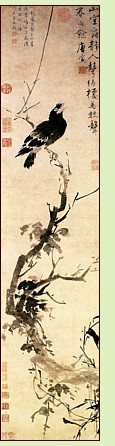 Historical novels are no recent invention in Asia, where people enjoyed them as early as the fourteenth century during the Chinese Ming Dynasty. Modern authors are especially interested in how Asian women lived in past centuries. In Imperial China, women underwent the painful tradition of foot-binding and were expected to be subservient to their husbands, yet more than one Chinese woman rose to become Empress and de facto ruler of China. During the early twentieth century, the Chinese Revolution brought immense change to the country and is the focus of many historical novels.
 (1958), about a Chinese peasant who adopted his own eccentric version of Christianity and made himself emperor through the 1850-1864 Taiping Rebellion.
 (1999), about an American seaman who manages a tavern in Hong Kong and goes to China in 1857 to track down a group of pirates; self-published.
 (1994), about three young people from Hong Kong who set out in 1858 to find the Heavenly Kingdom of Great Peace, the capital of Taiping Tienkuo, who rebelled against the Ching Dynasty's Confucian rule; Li Bo is the pen name of author Steven A. Leibo; self-published.
 (1969), about the eighth-century courtesan and poet Hung Tu.
  (1987), about three young British women in Shanghai during the years of revolution from 1921 to 1949.
 (1997), about a T'ang Dynasty poet.
 (2004), about Yu Xuanji, China's most famous woman poet, a rebellious concubine who lived during the ninth-century Tang Dynasty.
  (2009), a love story set in Hong Kong during World War II.
 (English translation 1978), an adventure story about an eleventh century Chinese scholar who journeys westward on the Silk Road after failing an examination, and how a set of famous Buddhist scrolls came to be hidden in the caves of Tun-Huang.
 (2014), about the two sons of a Chinese emperor, one a warrior, the other a scholar, and their rivalry for the throne.
 (2013), about a Chinese Communist guerilla fighter and an American soldier who become friends in 1944 during the "Dixie Mission" in which Americans considered arming Mao Zedong's Communists with U.S. weapons to fight the Japanese during World War II.
 , about the servant girl to an empress in seventeenth century China.
 (1995), about two young lovers during the seventeenth-century collapse of the Ming Dynasty.
 (2012), about the fifteenth-century Chinese Emperor Yong Le and his eunuch scribe.
 (1990), about a talented woman and her experiences during China's Taiping Rebellion in 1847-1864.
 (1988), about a Chinese peasant brought to Paris by a Jesuit missionary in 1722 and left in an insane asylum.
 (2014), about a fourteenth-century Chinese woman, a granddaughter of Marco Polo, who flees her murderous stepmother and heads for Europe on a stolen horse; #1 in a planned series.
 (2013), about an indigenous forest boy who moves in with a bitterly unhappy Chinese immigrant in Malacca in 1905 and sets out to discover the tragedy of his past.
 (also titled
  ) (1944), about a concubine in the imperial palace and her love for the nephew of a great poet.
 , about a samurai's son seeking vengeance on the lord who took his father's lands.
 , about the wife of the first doctor to use anesthesia in Japan in the late eighteenth century, and her conflicts with her mother-in-law.
 , about the woman who created kabuki in late sixteenth century Japan.
 , about a Christian revolt in seventeenth century Japan.
 , about a pampered young man who learns the arts of war in twelfth-century Japan.
 , a sequel to Sensei, set in twelfth century Japan.
 (2013), historical romance about a warlord's daughter forced to flee Japan after she is orphaned, and the captain of the ship in which she journeys to England in 1641.
 , a love story set in the eleventh century Japanese imperial court.
 , about a feud between two Japanese warlords in 1600.
 (2013), about the great eighteenth-century zen teacher Hakuin.
 (2016), about a time-traveler in love with a nineteenth-century Japanese warlord; sequel to Kaminishi.
 , sequel to Shadow of the Ninja.
 , a man tries to find out who is using ninja to kill the members of a seventeenth century Japanese clan.
 (2012), about an official in eleventh century Japan who must find the truth behind the death of a woman who was supposed to become the emperor's concubine.
 (2012), a collection of three short stories featuring the sleuth from the Akitada mystery series.
 (2013), about an official in eleventh century Japan who discovers, after being promoted to a new position, that his predecessor disappeared under suspicious circumstances; #11 in the Akitada mystery series.
 (2014), about a grieving official in eleventh-century Japan who returns home, where his friends and family try to interest him in solving the mystery of a young woman's supposed suicide; #12 in the Akitada mystery series.
 (2014), about an official in eleventh-century Japan whose investigation of the claims of warring temples is complicated by the murder of a judge; #13 in the Akitada mystery series.
 (2015), about an official in eleventh-century Japan who investigates the disappearance of a princess from a shrine; #14 in the Akitada mystery series.
 (2013), about a female Chinese surgeon who volunteers to fight on the Korean side of the Korean War in 1951; self-published.
 (2013), a retelling of the ancient myth about the founding of Tibet, in which the youngest and bravest of the gods is sent to earth, and a shepherd boy is chosen to become a storyteller.
 (1940), about the Mongol warlord Genghis Khan.
 (2010), about Bhakti Thapa, a Nepalese man who was instrumental in establishing the British connection with the Gurkhas beginning in the middle of the eighteenth century; self-published.
 (1988), about Genghis Khan's most important general.
 (1998 in the original French; first English edition 2001), about Genghis Khan, from the time he was sixteen and his father was murdered.
 (1969), about a Mongolian general continuing the effort to conquer western Europe after the death of Genghis Khan.
  (2002), set in seventh century Korea.
 (2002), a murder mystery set in nineteenth century Korea.
 (2011), about the upheavals in a nineteenth-century Korean household after the death of the landowner's senior wife; self-published.
 (2009), about Gesar, King of Ling.
 (1993), about Genghis Khan and the women who were close to him.
 (2009), a sympathetic novel about the rise of the late twelfth century warlord Chinggis Khan (aka Genghis Khan); #1 in the Heaven's Favorite series.
 (2009), a sympathetic novel about the twelfth century warlord Chinggis Khan (aka Genghis Khan) and the westward expansion of his empire during the early thirteenth century; #2 and the conclusion of the Heaven's Favorite series.
 (2005), about the nineteenth century King Ranjendra of Nepal and his wives.
 , a biographical novel about an official in the twentieth century royal court in Bhutan, by a Bhutanese author.
 (2000), about the Vietnamese military hero Nguyen Hue, who led an army that drove the Chinese from Vietnam in 1789; self-published.
 (1903), about the overthrow of the thirteenth century Khmer Empire in Cambodia.
 (2013), about an Indonesian potion-seller, the coolie she marries, and a geisha summoned to Indonesia by a Japanese general during World War II, as Indonesians struggle for independence.
 , about the rise of a Chinese immigrant in Malaysia during the nineteenth century.